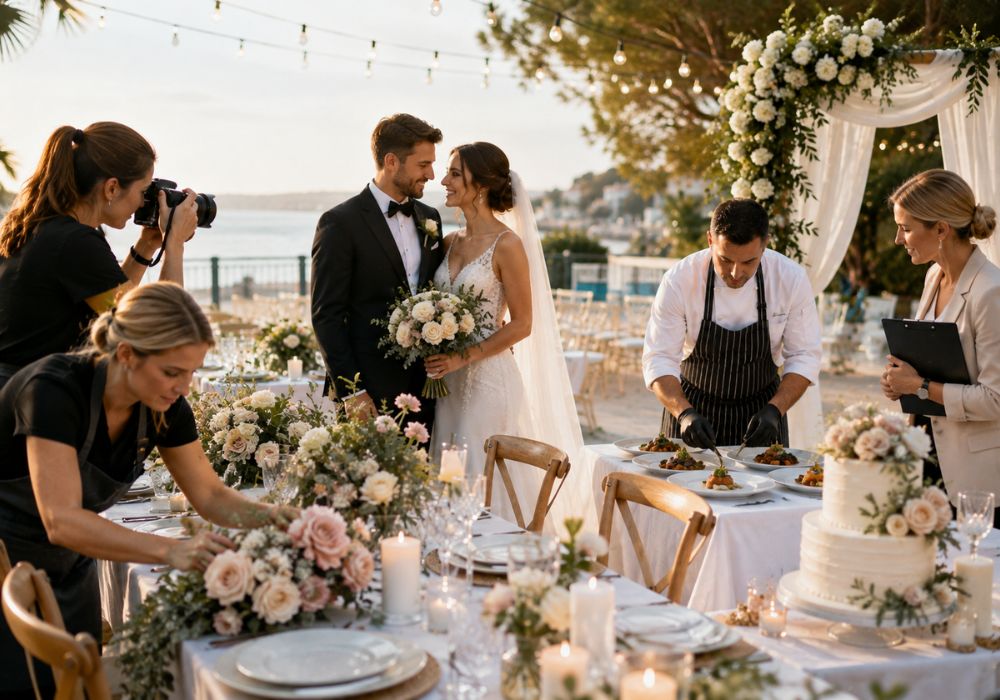
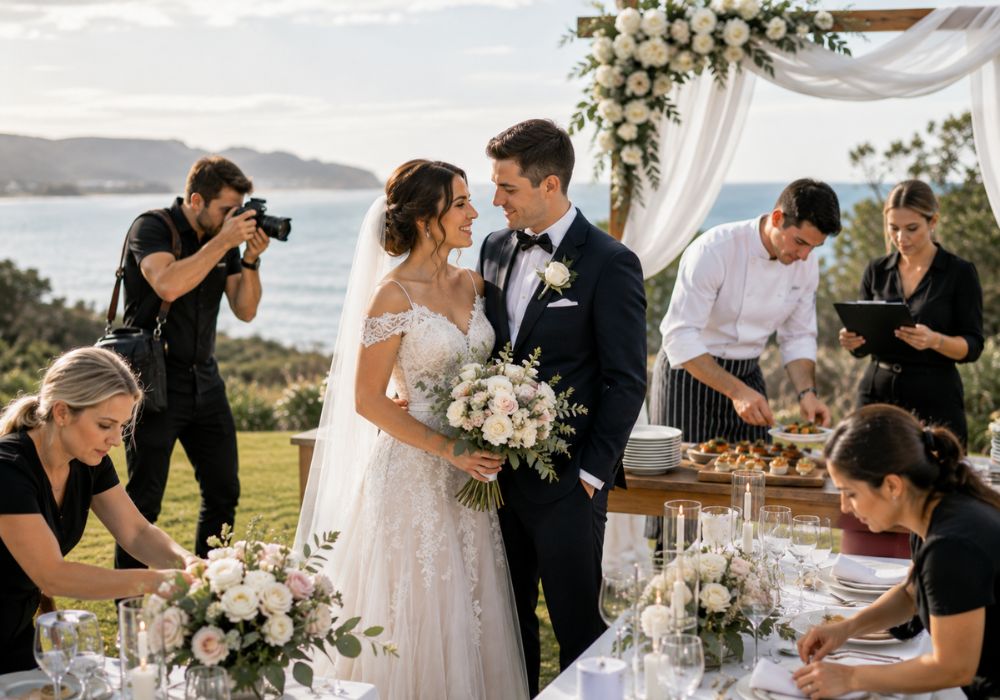
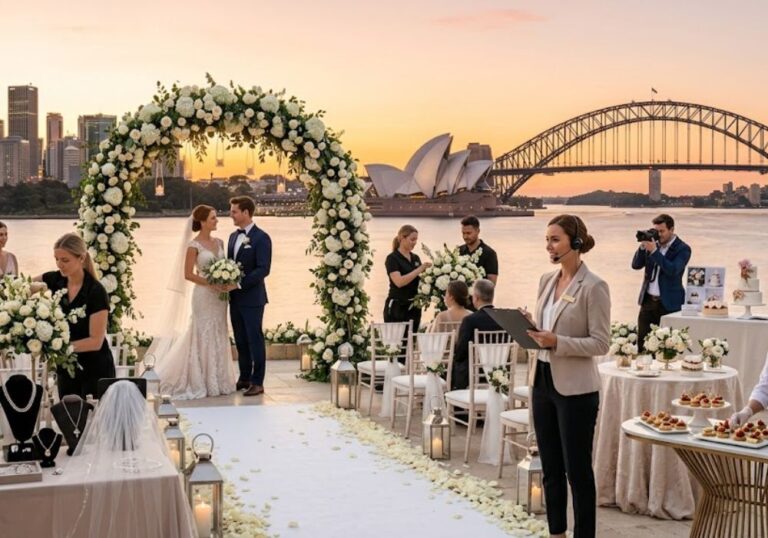
Most couples start looking for a venue with a clear idea. It might be a vineyard in the Barossa Valley, a beach in Byron Bay, a rainforest setting in Daintree Rainforest, or a rustic spot in the Yarra Valley. But the practical side often changes that plan.
Travel costs, local council permits, vendor rules, and seasonal weather all affect your final choice. What looks simple online can feel very different when you plan it for real.
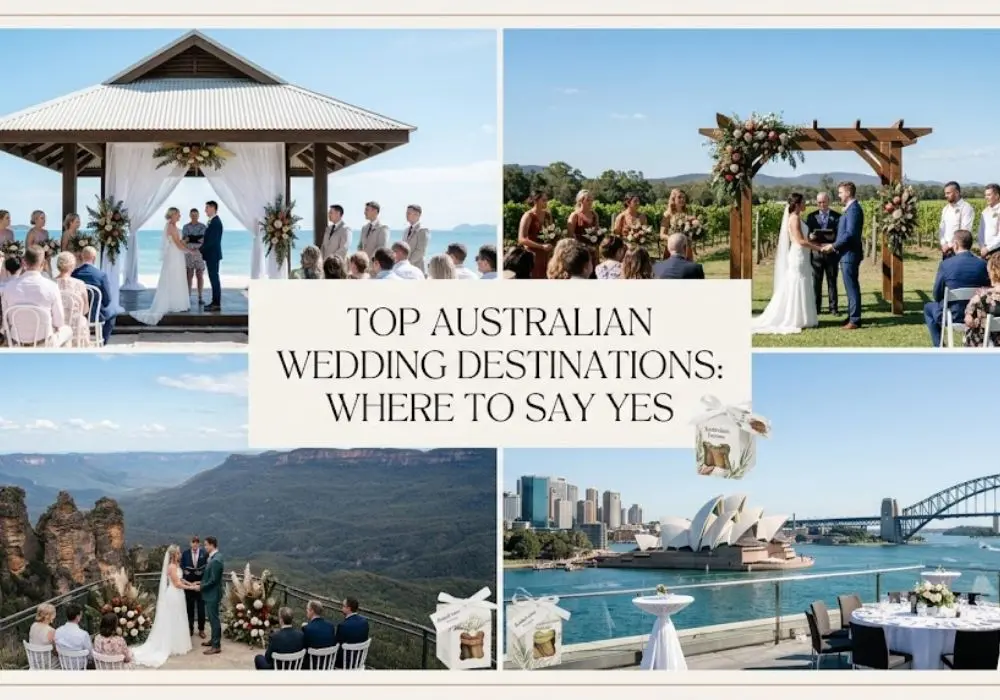
This guide gives you a clear view of Australia’s top wedding destinations. It explains what each place offers, the hidden costs to expect, and which location suits your situation best.
Hunter Valley, NSW: The Crowd Favourite with a Catch
The Hunter Valley sits about 160 kilometres north of Sydney. It is one of the easiest wine regions to reach in Australia. The area has more than 150 wineries, and venues like Bimbadgen Estate and Roche Estate host hundreds of weddings each year.
That same accessibility is also its biggest drawback.
Because it is so close to Sydney, the region books out quickly from October to April. Popular venues often fill Saturday dates up to 18 months ahead. At the time of writing, minimum spend at larger estates usually ranges from $25,000 to $40,000 before catering. If you are planning a smaller wedding or working with a tight budget, you may end up paying for more than you need.
Still, the Hunter Valley is a reliable choice. Many venues offer full-service packages, experienced planners, and strong local vendor networks.
This option is best for couples with a Sydney-based guest list, 80 to 200 guests, and those who want a well-organised venue.
Yarra Valley, VIC: Melbourne’s Backyard, Done Properly
The Yarra Valley sits about 50 kilometres east of Melbourne. It is close enough to be convenient but still feels like a proper regional escape. Venues such as Stones of the Yarra Valley and TarraWarra Estate are known for quality food, strong wine, and well-run events.
The region looks its best in autumn. The vines change colour, and the light is softer, which works well for photos. Another factor, the cooler climate brings more rain. From June to August, outdoor weddings, especially under marquees, carry more risk.
Accommodation is a strong point here. Many properties offer full buyouts for a few nights, which suits couples who want more than a single-day event.
The trade-off is cost and access. Venue prices are often higher than similar locations in other states. Weekend traffic along the Maroondah Highway can also slow down guests travelling by car.
Barossa Valley, SA: Underrated, Unhurried, Authentically South Australian
The Barossa Valley sits about 70 kilometres north of Adelaide. It feels slower and more open than wine regions on the East Coast. The focus here is on heritage, space, and local character rather than high-gloss presentation. Venues like Seppeltsfield, Hentley Farm, and Ravenswood Estate reflect that approach.
Seppeltsfield stands out from the moment guests arrive. Its long driveway, lined with date palms planted in 1917, creates one of the most memorable entrances for a wedding in Australia.
Planning is often simpler here, too. South Australian councils tend to be more flexible with events on private rural land compared to parts of New South Wales and Victoria. If you want a ceremony outside a standard venue setup, approvals are usually more straightforward.
Costs are another advantage. Venue pricing in the Barossa is often 15 to 25 per cent lower than similar options in the Hunter Valley. That leaves more budget for food and wine, which is a key strength of the region.
This option is best for couples who want a genuine South Australian wine country experience without the higher prices and crowds of the Hunter Valley.
Whitsundays, QLD: Genuinely Spectacular, Genuinely Complicated
The Whitsundays are a popular choice for a reason. Locations like Whitehaven Beach offer clear water, white sand, and strong visual appeal. On top of that, resort settings with tropical gardens create a polished ceremony backdrop.
The main challenge is access. Most guests need to fly into Proserpine Airport or Hamilton Island Airport. From there, many will need a ferry transfer. This can be difficult for older guests or families with young children.
The weather is another key factor. Cyclone season runs from November to April, which overlaps with the most popular wedding months. Travel insurance that covers weather disruption is essential. Many venues include cyclone clauses in their contracts, so it is important to review terms closely before booking.
Hamilton Island offers a more controlled setup. Accommodation, catering, and ceremony sites are managed within one system. This reduces coordination issues but limits your choice of external vendors.
This destination is best for couples who want a high-impact tropical setting and are prepared to manage travel logistics and weather risks carefully.
Byron Bay, NSW: The Vibe Is Real, So Is the Competition
Byron Bay has a well-established wedding market. It is competitive and often expensive. The stretch between Byron and the Hinterland draws couples who want a relaxed north coast feel. Venues like Fig Tree Restaurant, Harvest Newrybar, and Bower Estate are popular for this style.
Hinterland venues offer practical benefits. They provide shade, more greenery, and slightly cooler conditions during the January to March heat. Coastal ceremonies look great but need careful timing to manage the strong sun in the late afternoon.
There are also tighter local rules to consider. Since 2022, Byron Shire Council has introduced stricter limits on amplified sound in rural areas. If live music or a DJ matters to you, check the venue’s approved noise curfew before booking, and confirm current rules directly with Byron Shire Council, as policies can be updated. Some locations require events to finish by 10 pm or earlier.
This option is best for couples who value the North Coast style and are comfortable with higher accommodation costs in a busy tourist area.
Margaret River, WA: The Long Way Around, Worth It for the Right Couple
Margaret River sits about 270 kilometres south of Perth. For guests coming from Australia’s east coast, the trip usually takes at least five hours, including a flight and a drive. That can be a barrier if most of your guest list is based in East Coast Australia.
For couples based in Western Australia, access is much easier. The region offers a strong mix of karri forest, coastline, and a well-regarded wine scene. Venues like Swings and Roundabouts, Aravina Estate, and Fraser Gallop Estate are known for well-run wedding setups.
The weather needs some planning. While Perth has reliably dry summers, Margaret River sits further south on the coast and can experience cooler, wetter weather from June to September.
This option is best for couples based in WA or those with guests willing to travel further for a standout location.
Planning Realities
- Securing the right vendors early can matter just as much as the venue itself. In regional areas, experienced photographers, celebrants, and caterers often book out 12 to 18 months in advance, especially during peak season.
- In locations like the Whitsundays and Byron Bay Hinterland, vendor availability is limited. Preferred vendor lists are not just a guide. They are often essential to making the event work smoothly.
- Guest attendance is usually lower than expected. Destination weddings often see a 15 to 20 per cent drop compared to city events. Plan your budget, minimum spend, and catering numbers based on realistic attendance, not best-case assumptions.
- Do your checks before committing to a venue. Speak with the local council, review contract terms around vendors and noise limits, and map out the full travel plan for your guests.
- The most successful weddings are not just about location. Couples who plan carefully, understand the constraints, and make informed decisions tend to have a smoother and more enjoyable experience.
Data References:
- Barossa Valley event approvals (light.sa.gov.au)
- Yarra Valley rural event permits (mitchellshire.vic.gov.au)
- Hunter Valley event regulations (cessnock.nsw.gov.au)
- Industry benchmarks, venue ratings (abia.com.au)
- General destination stats, visitor data (tourism.australia.com)
- Travel, tourism, and demographic data (abs.gov.au)
- Hunter Valley and Byron Bay regional info (nsw.gov.au)
- Yarra Valley destination data (visitvictoria.com)
- Barossa Valley official info (southaustralia.com)
- Whitsundays data (teq.queensland.com)
- Margaret River destination info (tourism.wa.gov.au)
- Weather and cyclone season data (bom.gov.au)